CPR Training Course Alberta: Certification Levels & Team Requirements
Understanding Alberta’s Level of CPR Certification
Three primary CPR certification levels are recognized by Alberta. Adult resuscitation techniques are focused on solely by CPR-A.
Adult and child resuscitation techniques are covered in CPR-B certification.
Adult, child and infant resuscitation are included with CPR-C certification.
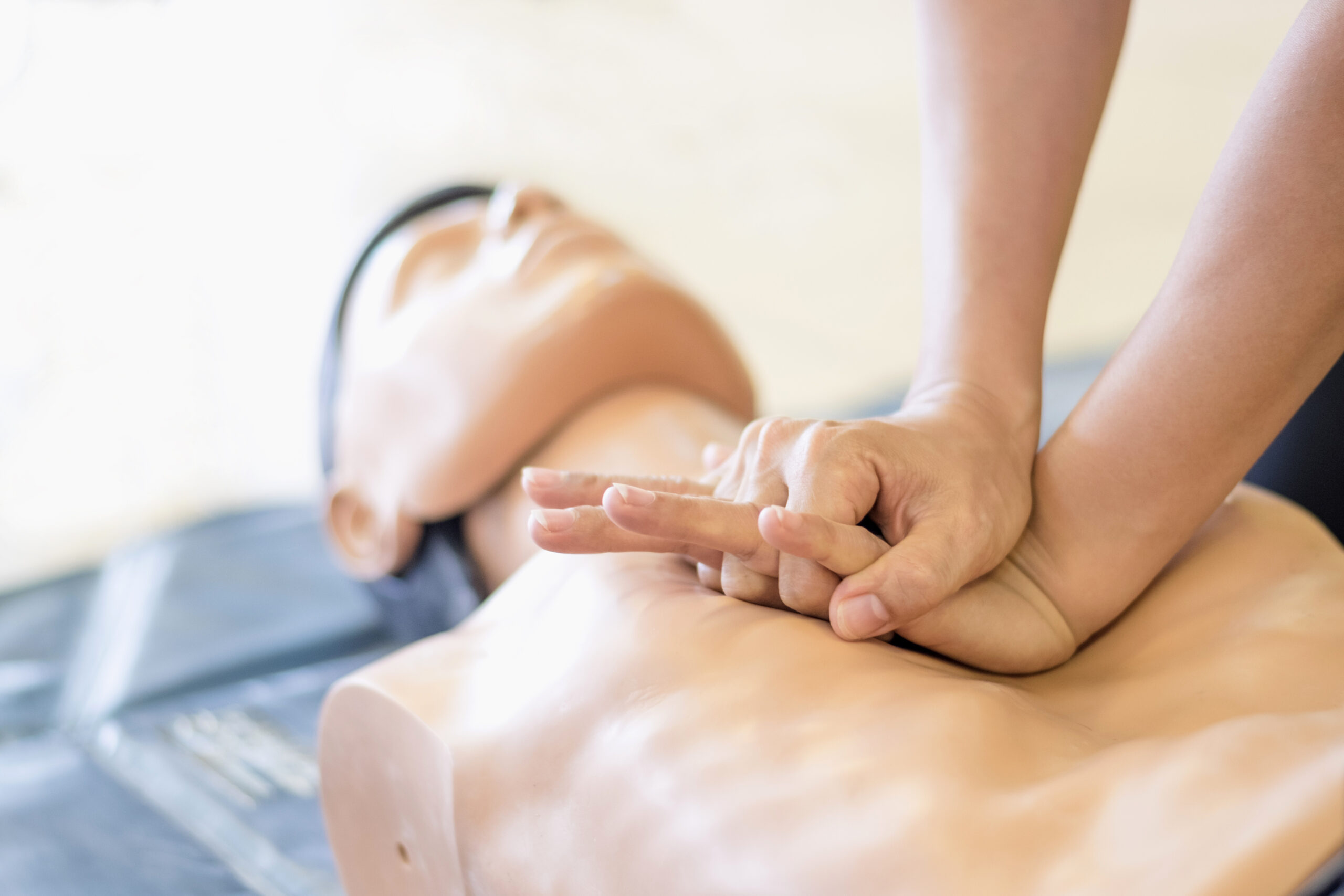
Plus choking response protocols, chest compressions, rescue breathing, and AED use gets covered. About four hours are needed to teach it.
At WCFF, we know it’s important to cover level C CPR for all our first aid courses because responders cannot predict the age of an emergency victim. The broader training improves preparedness for public-facing and team environments.
High-Performance Basic Life Support CPR: When Advanced Skills Matter
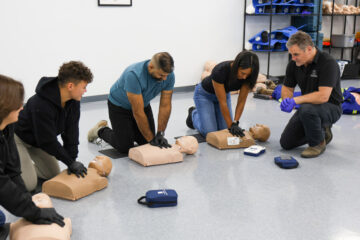
High performance CPR (HP-CPR) Basic Life Support often involves a team of responders working in a synchronized manner where each member has a specific role and responsibilities. Clear delegation of roles and effective intra-team communication and leadership are fundamental to success in resuscitation efforts.
Content includes:
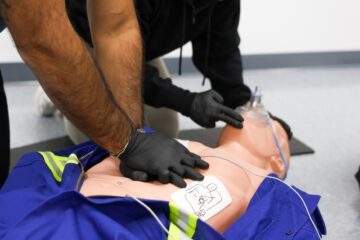
Multi-rescuer CPR, Teamwork and Coordination, Minimizing Interruptions, High-Quality Compressions, Effective Airway Management, Foreign Body Airway Obstruction, High Performance Adult, Child, and Infant CPR and AED, Suction, OPA, BVM, and Oxygen Administration.
This level is often chosen by first-responders, heath care provider or industrial sites with higher injury risks. Mining operations, oil and gas facilities, and remote construction projects frequently require these advanced skills. From what we’ve seen, the investment pays off when emergency response times are longer than average.
Choosing the Right Level for Your Team
CPR-C certification is opted for by most Alberta construction and industrial companies as their baseline requirement. CPR-C will meet and exceed CPR-A. Comprehensive coverage without the complexity of healthcare provider protocols is provided by this level.
Your worksite location should be considered when making this decision. Urban projects with quick emergency response access might function well with CPR-C. At least one Healthcare Provider certified team member often benefits remote locations. A significant difference can be made by the extra skills when professional help is 30+ minutes away.
Training Requirements and Recertification
Three years from completion date is how long Alberta First Aid with CPR certification remains valid. Recertification training every two years is scheduled by many companies to maintain skill sharpness. Teams are helped by this approach to stay confident in their emergency response abilities. Basic Life Support CPR is valid for one year.
Four to six hours are typically taken by recertification courses depending on the level. Skill practice and updates to current protocols are focused on by them. Refresher sessions that can extend certification periods are offered by some training providers. Companies managing multiple team schedules usually find that works well.
Cost Considerations and Training Options
From $85 for basic CPR-A to $180 for Healthcare Provider certification is what CPR training costs in Alberta range. On-site instruction is offered by many training providers, which can reduce travel costs and scheduling conflicts.
Online theory with hands-on practice sessions are combined by blended learning programs. Busy construction schedules find this format works well. During downtime, the online portion can be completed, while practical skills are demonstrated during scheduled group sessions.
Making the Decision for Your Workplace
Your team size, worksite risks, and emergency response requirements should be considered when selecting CPR certification levels. The right balance of comprehensive coverage and practical training time is provided by CPR-C for most Alberta construction and industrial companies, it appears.
Your current safety protocols and provincial compliance requirements should be assessed first. Then your geographic location and typical emergency response times should be factored in. Ensuring your team can provide effective care until professional help arrives is the goal. For comprehensive workplace safety training that meets Alberta requirements, visit our website to explore certification options tailored to construction and industrial teams.
FAQ
Q: What’s the difference between CPR-A and CPR-C certification? Adult only resuscitation is covered by CPR-A. Adult, child, and infant techniques plus choking response are included in CPR-C. CPR-C meets and exceeds CPR-A and is required by most Alberta workplaces.
Q: How long does CPR certification last? CPR included in Workplace First Aid courses are valid for three years. Basic Life Support CPR needs to be renewed annually. Some companies choose to renew or practical their skills annually.
Q: Can online CPR training meet Alberta workplace requirements? The theory may be offered online, but hands-on practice must be completed in person with an approved trainer. Blended learning programs are becoming more common across Alberta.
Q: How many team members need CPR certification? Your industry and worksite size and location determine this. More coverage is often required by remote locations. Training more workers than the minimum requirement is helpful for when there are staff shortages and coverage needed.