First Aid Training Courses Alberta: Requirements & Certification
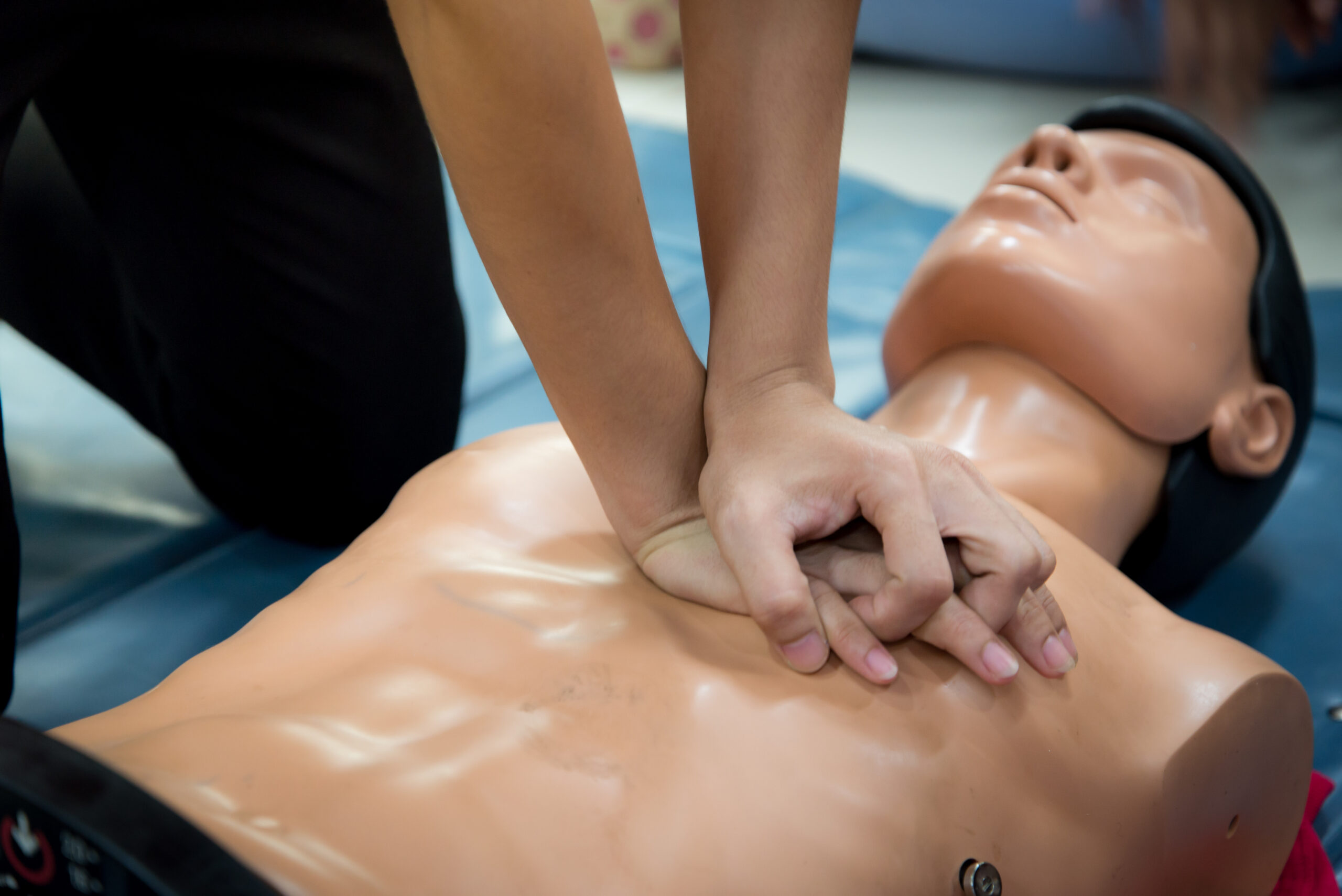
What’s Included in Alberta First Aid Training
Principles of Workplace First Aid – Role and Responsibilities of Workplace First Aider, Administration of Medication, Workplace First Aid Kit and Equipment, Principles of Effective Communication, Workplace First Aider Safety and Personal Protection, Occupational Health and Safety
Management of Injured / ill Workers – Scene Management, Primary Survey, Secondary Survey, Ongoing Assessments
Airway Management – Basic Airway Management
Breathing Management – Respiratory System, Management of Respiratory Emergencies
Circulation Management – Circulatory System, Management of Cardiovascular Emergencies, Nervous System, Management of Shock, Cardiopulmonary Resuscitation (CPR), Automated External Defibrillation (AED)
Injury Management – Internal and External Hemorrhage, Ears, Eyes, and Nose Injuries, Burn Management, Management of Musculoskeletal System Injuries
Medical Emergencies – Poison Management, Anaphylaxis, Diabetic Emergencies, Seizures, Stroke, Mental Health Emergencies, Environmental Injury and illness
Transportation Management – Transportation, Multiple Injured/ ill Worker Incidents, and Transportation
Spinal and Neurological Emergencies Management – Spinal and Neurological Emergencies
Course Duration and Scheduling
16 hours of instruction are required for Intermediate (standard) workplace first aid certification, usually spread over two days. Intermediate Re-Certification and Basic (Emergency) first aid can be completed in a single 8-hour session.
Courses are offered weekly and over select weekends. Group courses can be scheduled to suit the client’s preference.
Certification Requirements and Renewal
Canadian Standard Association (CSA Standards) for first aid certification is followed by Alberta, but Alberta’s own compliance is added throughout. First Aid Certifications are provincially recognized.
Certificates stay valid for three years. Intermediate Re-certification can be completed in one day while students still hold a valid Intermediate First Aid Certificate. Refresher training should be scheduled annually to keep skills sharp. From what we’ve seen, regular practice makes a real difference when emergencies happen.
Choosing the Right Training Level
Basic life support and simple injuries are covered by Basic First Aid. Low-risk office environments find it sufficient. More comprehensive wound care, spinal injury management, multi-casualty incidents, and medical emergency response are added by Intermediate first aid courses.
Workplace-specific scenarios are gone through as well. Chemical burns and electrical injuries, get covered in detail. When dealing with complex industrial hazards, the extra training time pays off.
Getting Certified in Alberta
Workplace first aid courses are offered by training providers across Alberta. You can find them on the Alberta Approved Training Agencies list. Group training at your worksite is provided by many, which keeps costs down and makes scheduling easier. Class sizes typically range from 6 to 20 participants.
Both written and practical exams will need to be passed by you to earn certification. Theory and recognition of medical emergencies are covered by the written test. Hands-on demonstrations are used to evaluate practical skills. Most people pass on the first attempt, especially with quality instruction.
Maintaining Workplace Compliance
First aid requirements are specified by Alberta’s Occupational Health and Safety regulations. Documented training records and readily available first aid supplies are required by all workplaces. Compliance levels are checked by regular safety audits. Minimum requirements are gone beyond by some companies, providing a higher level of training for supervisors or safety coordinators. Incidents can be managed more effectively by this extra preparation, and insurance costs could be reduced over time. When you’re ready to get your team properly certified, visit our website to explore first aid training options that fit your specific industry needs.
FAQ
Q: How long does first aid certification last in Alberta? First aid certificates are valid for three years. Basic Life Support CPR needs renewal every year.
Q: What is the difference between Basic and Intermediate First Aid training? Basically, the content is the same, however in intermediate first aid there are additional skills that are required. CPR and AED are covered in both certifications.
Q: What if my business needs specialized training? Construction and industrial sites often require additional training for confined spaces, working at height, chemical exposure, or powered mobile equipment training.
Q: Do online First Aid courses count for Alberta certification? Some theory portions can be completed online, but hands-on skills must be demonstrated in person for full certification.



0 Comments