Forklift Training Alberta: Who Needs Certification & Renewal
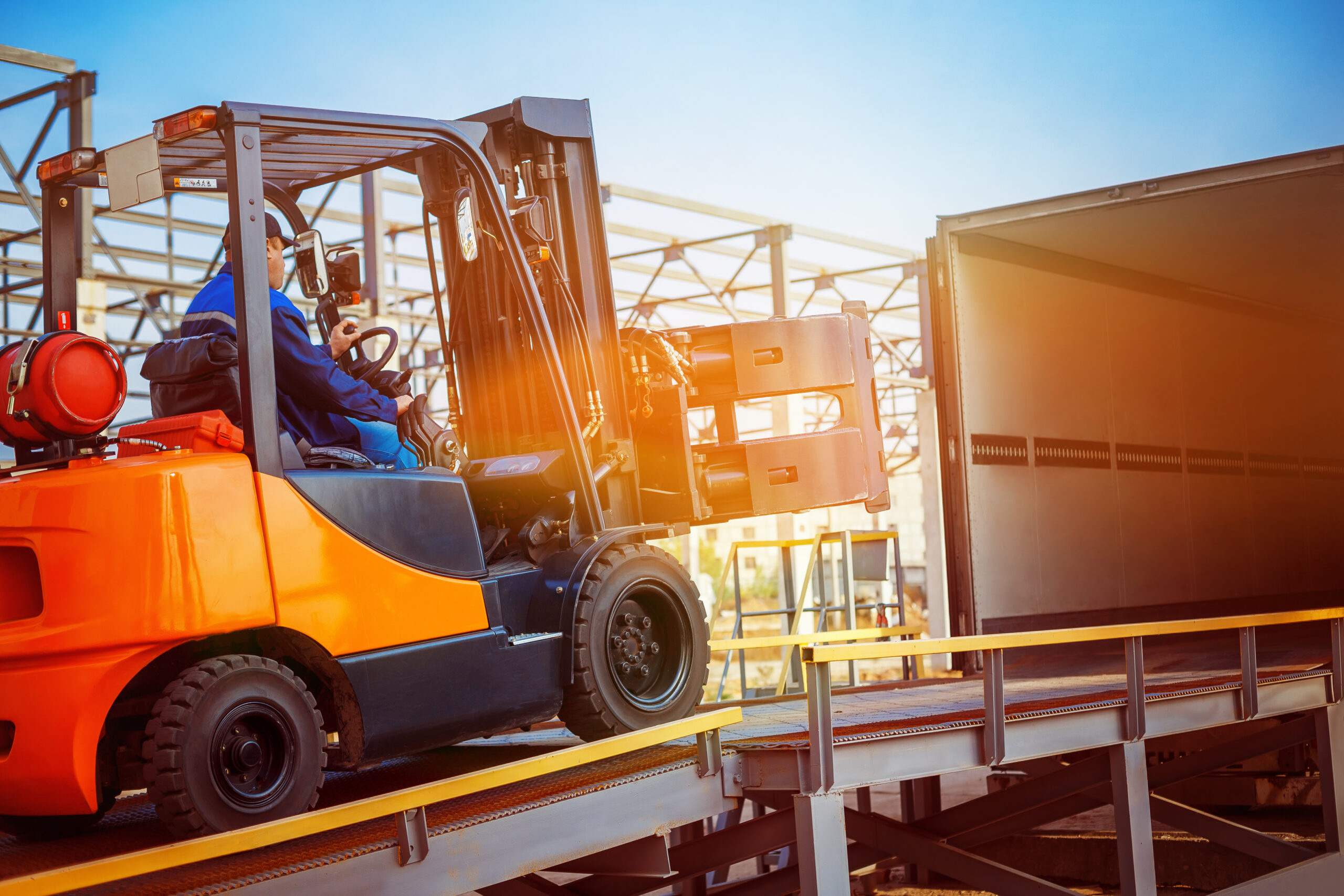
Who Needs Forklift Certification in Alberta
Forklift certification requirements are made pretty clear by Alberta’s workplace safety regulations. Approved training must be completed by any person operating powered industrial trucks in commercial settings. Warehouse workers, construction crews, manufacturing staff, and retail employees who handle inventory are covered by this.
Company size doesn’t affect how the rules apply. Identical certification requirements are faced by small construction firms and large distribution centers. From what we’ve seen, part-time or temporary workers might be assumed exempt by many employers; they’re not.
Legal Requirements Under Alberta Standards
Comprehensive forklift training is mandated by Occupational Health and Safety regulations across the province. Classroom instruction covering load capacity, stability principles, and hazard recognition is included in the certification process. Practical evaluation follows, where safe handling techniques are demonstrated by operators.
Employers must approve training providers. Legal requirements won’t be satisfied by certificates issued by non-approved instructors. Plus, workplace accidents involving improperly trained operators leave employers liable.
Three-Year Renewal Cycle Explained
Forklift certification renewal is required by Alberta every three years. The original certification date starts the timeline, not the hire date or last training session. These dates are tracked by many companies using spreadsheets, though dedicated safety management systems work better.
Refresher courses rather than complete recertification are typically involved in renewal training. However, full retraining might be needed by operators who’ve been away from forklift work for extended periods or involved in a forklift incident. Regular updates are also necessary as safety standards have evolved over time.
Training Components and Assessment
Theoretical knowledge and practical skills are covered by certified forklift training. Load charts, inspection procedures, and traffic patterns are addressed in classroom sessions. Stability triangles, center of gravity, and proper lifting techniques are learned by students.
Controlled environments are where hands-on training follows. Maneuvering, load handling, and emergency procedures are practiced by operators. Competency is verified through written and practical tests that are administered. Certification can only be received when both components are passed.
Employer Responsibilities and Compliance
Operator certifications must be verified by construction and industrial companies before forklift use is allowed. All certified employees should have documentation maintained, including renewal dates and training records. Ongoing compliance is helped by regular audits.
In-house training programs are provided by some employers, though provincial standards must be met by these. More cost-effective solutions for smaller operations are often proved by external training providers. Either way, regulatory compliance and insurance purposes make proper documentation essential.
Costs and Training Providers
Forklift certification costs vary across Alberta; typically ranging from $150 to $400 per operator. Per-person expenses are often reduced by group training sessions. Volume discounts for multiple certifications are negotiated by some employers.
Safety organizations, community colleges, and specialized equipment dealers are included among training providers. Significant variation in quality exists between providers, so research becomes important. Instructors with current certifications and positive industry references should be looked for.
Getting Started with Certification
All operators requiring certification should be identified by Alberta businesses needing forklift training. A tracking system for renewal dates should be created to avoid lapses. Approved training providers in your area should be researched, and costs, schedules, and curriculum quality compared.
Comprehensive workplace safety training programs designed for construction and industrial operations are offered by Western Canada Fire & Fire Aid. Both initial certification and renewal training are provided by our certified instructors to keep your team compliant and safe. Visit our website to learn more about our forklift training programs and schedule your team’s certification today.
FAQ:
Q: Do part-time forklift operators need full certification? Yes, proper certification is needed if someone’s operating a forklift in any commercial setting. The safety requirements aren’t changed by part-time status. The full training program must be completed by even seasonal workers before the controls can be touched.
Q: What happens if certification expires? Good question. Forklifts can’t be legally used by operators once their certification lapses. Renewal dates are tracked carefully by most companies, but some smaller operations get caught off guard. Expired certifications typically require refresher training to be reinstated.
Q: Are there different certifications for different forklift types? Various forklift classifications are covered by the training program, though specialized equipment might need specific endorsements. The same basic certification often covers counterbalance trucks, reach trucks, and order pickers. That still surprises people.
Q: Do I need an Alberta drivers license to operate a forklift? Legally, no. However a worker who holds a drivers license naturally understands the basics of driving a vehicle and their controls including the floor pedals, steering wheel, horn location, seat belt etc.


0 Comments