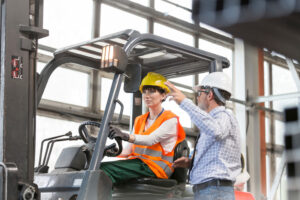
what skills are tested during forklift training practical sessions?
Why Practical Testing Exists Written knowledge only goes so far on a construction site. A worker can pass a quiz about load limits and still misjudge a stack under pressure; that gap is exactly why practical sessions matter. In Alberta, a knowledge portion with testing must be included in training,
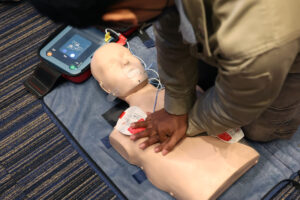
first aid training for manufacturing teams in alberta: reducing response time
Why Response Time Gets Overlooked Until It Doesn’t Manufacturing sites in Alberta run tight schedules, and safety training sometimes gets treated as a box to check rather than a working system. That’s a mistake, though an understandable one. A worker with a crush injury or an airway obstruction can’t wait
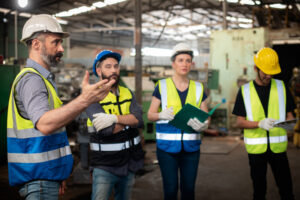
How Documented Safety Training Protects Employers in OHS Reviews
Why Documentation Matters More Than the Training Itself Training a worker properly is one thing. Proving it happened is another, and that second part is what actually gets checked during an inspection. An OHS Officer isn’t typically present in the room when the course was delivered; records are relied upon
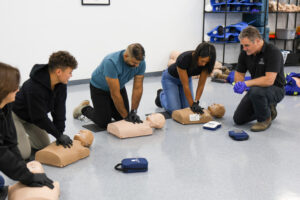
First Aid for New Hires: What to Know on Day One
Why Day One Matters More Than People Expect New workers get hurt more often than experienced ones. That’s not an opinion; it’s a pattern that has been observed by safety professionals across Alberta’s construction and industrial sectors for years. On a busy site, a new hire is trying to absorb
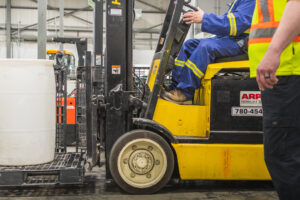
Do You Need a Driver’s License to Operate a Forklift in Alberta?
What Alberta Law Actually Says About Forklift Licensing Alberta’s Occupational Health and Safety legislation is the governing framework for forklift operation in the province, not the Traffic Safety Act or any road licensing requirement. Under OHS rules, forklifts are classified as powered mobile equipment, which puts them in a different
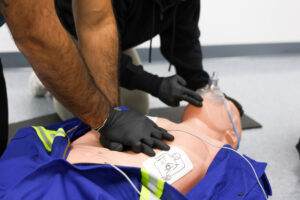
First Aid for Shift Workers: Building Team Safety Readiness
Why Shift Coverage Is a Compliance Issue, Not Just a Scheduling One Rotating shifts are standard across Alberta’s construction and industrial sectors. What isn’t always standard is how first aid coverage gets tracked across those rotations. Under Alberta OHS requirements, adequate first aid coverage must be maintained on every shift,
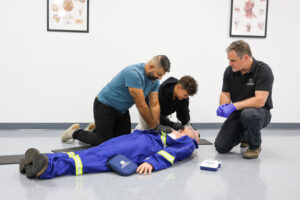
First Aid for Supervisors: What to Do Before Help Arrives
Why the First Few Minutes Matter More Than Most First Aiders Realize In construction and industrial settings across Alberta, emergency response time from 911 dispatch to on-site arrival can range widely, depending on location, weather, and distance to a healthcare facility. That gap is real. During it, a worker’s outcome

Blended First Aid Training: Online Theory + In-Person Skills
What Blended First Aid Training Actually Means Blended first aid training isn’t a shortcut. It’s a structured delivery format where theory instruction is separated from practical skills work, allowing workers to complete the knowledge-based portion of a course online before an in-person session is attended. For the Intermediate (Standard) First
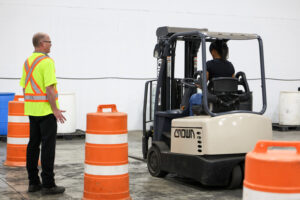
What’s Included in Certified Forklift Training in Alberta
Why Forklift Training Is Required in Alberta Alberta’s occupational health and safety legislation is direct on this point: operators must be properly trained before working with powered mobile equipment. This applies across industries, from construction sites in Calgary to warehouse operations in Edmonton. It’s not a recommendation. Workers are expected