How Long Does Lift Truck (Forklift) Training Take in Alberta?
What Alberta Actually Requires for Forklift Operators
Alberta’s Occupational Health and Safety legislation is clear: workers must not operate powered mobile equipment, including forklifts, without proper certified training. No provincial license is issued specifically for forklift operation, but that doesn’t mean the bar is low. Compliance with Alberta’s occupational health and safety laws is required for any training course used to meet this obligation. Training providers must be approved by employers, and programs are expected to be compliant with Provincial Legislation, follow the most recent CSA standards, meet Industry Best Practices, and meet the Principles of Adult Education. That’s a meaningful standard, and it’s one that OHS Inspectors can and do evaluate.
How Long the Training Actually Takes
For a new operator learning the basics, forklift training in Alberta typically runs 6 to 8 hours, which is roughly a full workday. Timing ultimately depends on the operator’s skill level coming in; someone with prior experience on powered mobile equipment may move through certain segments faster than someone who has never operated anything similar. The training is divided into two parts: a knowledge portion with testing, followed directly by a practical hands-on skill demonstration and testing portion. Both portions must be completed before certified training is considered finished. Over time, experienced operators tend to move through refresher material more quickly, but for new operators, a full day should be expected.
What’s Covered During Theory Instruction
Equipment types, load capacity, workplace hazards, job planning and hazard assessments, safe operating procedures and the relevant sections of Alberta’s OHS legislation are generally covered during theory instruction. Specific risks tied to the work environment are expected to be understood by operators, whether those risks involve working at height, confined spaces, chemical exposure, or operating near other workers. This portion can be delivered in person or, in some programs, completed online before the practical day. Either way, the knowledge testing component must be passed before the hands-on session is started. Employers are responsible for confirming that the theory content reflects the actual hazards present in their workplace, not just a generic checklist.
The Hands-On Practical Session
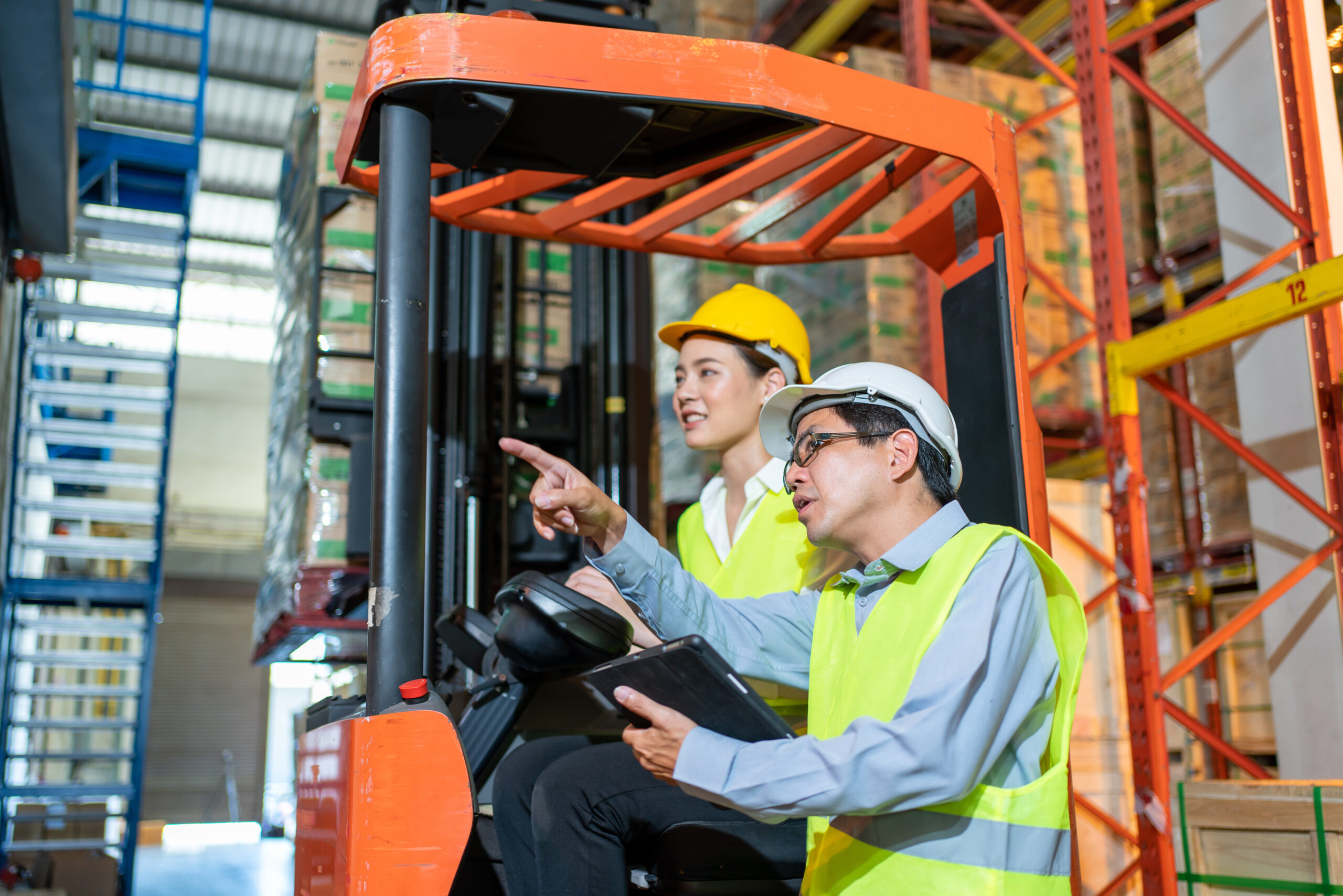
The practical portion is where certified training gets confirmed. Basic operation, maneuvering, load handling, and stacking are tested under the supervision of a qualified trainer. This isn’t just observation; active testing of each skill is included throughout. Equipment covered during this session should match what the operator will actually use on site, whether that’s a standard counterbalance forklift, a narrow-aisle reach truck, or a powered pallet jack. In many cases, that’s where things click for new operators, when theory connects to what the machine actually does under load.
What Certified Training Costs in Alberta
Lift Truck (Forklift) training in Alberta generally runs between $175 and $425 per operator. The price varies depending on a forklift operator’s skill, since programs may need to be adjusted or extended based on how quickly an individual progresses through the material. Group bookings through a workplace safety training provider can sometimes reduce the per-person cost, though program quality should be weighed carefully against price. A cheaper course that doesn’t hold up to OHS scrutiny isn’t actually saving anything; that sounds reasonable on paper, but it’s a mistake that gets made more often than it should. Training providers must be approved by employers before booking, not after.
After Training Is Issued: The Employer’s Role
Certified training doesn’t end the employer’s responsibility; it starts a new phase of it. Once training has been completed by an operator, the fundamentals are expected to be taken by employers and applied to their specific workplace to ensure ongoing worker competency. That means the operator should be working within the equipment’s rated capacity, following site-specific traffic patterns, and operating safely around other workers. Documented training records must be maintained for all operators. If an uncertified operator is involved in a workplace accident, real liability is faced by the employer under Alberta’s OHS framework.
When Full Retraining Is Required
Not every operator who completes certified training stays current indefinitely. Full retraining is generally required when an operator has been away from forklift work for an extended period or has been involved in a forklift incident. Observed unsafe practices are another trigger. In many cases, these gaps are caught by employers during routine site supervision, though that isn’t always consistent across Alberta’s construction and industrial worksites. Certified training is a starting point, not a permanent credential that never needs revisiting; employers carry the responsibility for monitoring this over time, bit by bit.
Finding the Right Forklift Training in Alberta
Training providers must be approved by employers, and any program used is expected to meet Alberta’s occupational health and safety requirements. A reputable course will be compliant with Provincial Legislation, follow the most recent CSA standards, meet Industry Best Practices, and meet the Principles of Adult Education. Programs that only offer online completion without a hands-on practical component don’t satisfy Alberta’s requirements for certified training. The same applies to programs where the testing portion of either the knowledge or practical segments is skipped. For construction and industrial businesses across Alberta looking to get operators properly trained, Western Canada Fire & First Aid offers workplace safety training built to meet these standards. Visit our website to learn more about available forklift training and workplace safety training programs.
FAQ
Q: Does Lift Truck (Forklift) training in Alberta need to be done in person?
Theory instruction can be completed online or in a traditional setting, but all hands-on practical skills must be demonstrated in person with an experienced trainer. The practical session includes supervised operation and testing; however, virtual assessments could be an option.
Q: Does Lift Truck (Forklift) training cover different types of equipment?
Yes, training programs can be designed to cover multiple forklift types, including counterbalance forklifts, narrow-aisle reach trucks, powered and manual pallet jacks. Each piece of equipment has its own operating characteristics, so specific instruction is generally expected to be received for each type used on the job. Employers must approve training providers and confirm that coverage aligns with the equipment actually used on site.
Q: Do I need an Alberta driver’s license to operate a forklift?
No, an Alberta driver’s license is not a legal requirement to operate a forklift. That said, holding one can be helpful, since basic vehicle controls like pedals, steering wheels, and seat belts will already be familiar to the worker. Certified training through an approved program is what actually matters from a compliance standpoint.
Q: When does a forklift operator need to be fully retrained?
Good question. Full retraining is generally required once the certificate expires or when an operator has been away from forklift work for an extended period or has been involved in a forklift incident. Observed unsafe practices on the job can also trigger a retraining requirement. Competency is expected to be monitored by employers after certified training is issued, with the fundamentals applied to their specific workplace.

0 Comments