How to Find Reputable Forklift Training in Alberta: Key Factors
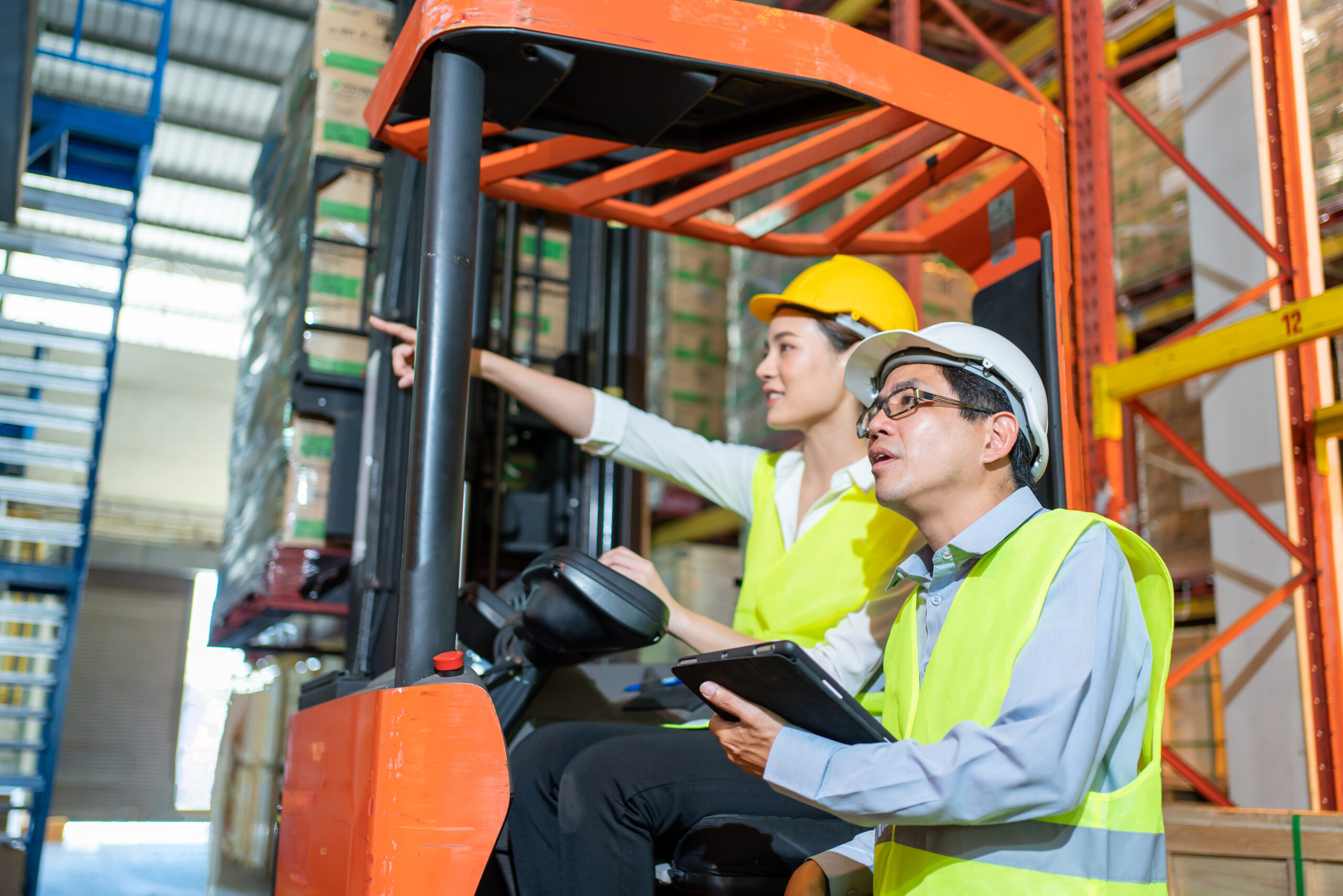
Check Instructor Credentials First
Any forklift training program gets made or broken by the instructor. Current credentials from recognized safety organizations should be held by certified trainers, along with real-world industrial experience. Former warehouse supervisors or equipment operators who understand practical challenges teach many programs. But the whole story isn’t told by credentials alone. Their background and teaching experience should be asked about. Complex safety concepts can be explained in simple terms by good instructors.
Evaluate Equipment Quality and Variety
Operators aren’t prepared for modern workplace conditions when training is done on outdated or poorly maintained equipment. Their forklifts are maintained regularly by reputable schools, and training is offered on different types commonly used in Alberta industries. Operators familiar with rough terrain forklifts are often needed by construction companies; electric models are the focus for warehouse operations. What students will actually use on the job should be matched by the equipment. Plus, smaller class sizes and more individual practice time are provided when multiple units are available.
Verify Certification Recognition
The same weight with Alberta employers isn’t carried by all forklift certifications. That the training provider’s certificates are accepted by major construction and industrial companies in your area should be checked. Specific requirements or preferred training organizations are maintained by some employers. Headaches later can be saved by a quick call to your HR department. The forklift classes covered should be clearly stated on the certificate, and the instructor’s credentials should be included. Both the operator and the employer are protected by proper documentation during safety inspections.
Review Practical Training Components
Important regulations and safety principles are covered by classroom theory, but real competency is determined by hands-on practice. Significant time to actual forklift operation under instructor supervision is dedicated to quality programs. Load handling, maneuvering in tight spaces, and emergency procedures should be practiced by students. Real workplace conditions with obstacles, ramps, and different surface types should be simulated by the training area. I suppose practical sessions are rushed through by some programs to fit more students per day.
Consider Location and Scheduling Flexibility
Both convenience and cost for your team are affected by training location. On-site training for groups is offered by many Alberta providers, which can be more cost-effective than sending employees to a training center. Training on your actual equipment and workspace layout is also allowed by on-site programs. However, better focus without workplace distractions is sometimes provided by off-site training. Scheduling flexibility matters too; finding time for training gets challenging, especially during busy construction seasons.
Compare Total Costs and Value
The best value for construction and industrial businesses isn’t always provided by the cheapest training. Travel time, lost productivity, and potential retraining costs should be factored in if the initial program doesn’t meet standards. Quality training is often made more affordable by group discounts. Refresher sessions or additional materials are included in their base price by some providers. Hidden fees for certification processing or equipment use can add up quickly. A clear breakdown of all costs should be gotten upfront.
Research Provider Reputation and Reviews
Significant weight is carried by word-of-mouth recommendations from other Alberta construction companies. Online reviews should be checked, but feedback from businesses similar to yours should be the focus. Safety training is too important to risk with unproven providers. Relationships with multiple training organizations are often maintained by established companies, and their experiences can be shared. Long-term relationships with clients are maintained by the best providers, and ongoing support is offered. When quality forklift training for your team is ready to be booked, our website should be visited to explore comprehensive workplace safety programs designed for Alberta’s construction and industrial sectors.
FAQ
Q: What certifications should I look for in a training provider? Instructors should be certified through recognized safety organizations. Compliance with Alberta’s occupational health and safety laws is required for the training course. Proper documentation gets checked regularly by workplace inspectors.
Q: How long does forklift training typically take? Depending on the forklift operator’s skill level, a new operator can take 6-8 hours to learn the basics. Classroom learning theory and regulations takes up half the time. Actual forklift skill operation and testing under supervision fills the other half.
Q: What’s included in hands-on training? Basic operation, maneuvering, load handling, and stacking are covered in practical sessions.
Q: Can I get training for multiple forklift types? Yes. Training for different forklift classes in the same session is offered by many providers. Counterbalance, narrow-aisle reach trucks, and powered pallet jacks often get covered together. Extra charges for specialized equipment are common with some.
0 Comments