Why Practical Skill Testing Is Required for First Aid Certification
Why Skill Testing Exists in the First Place
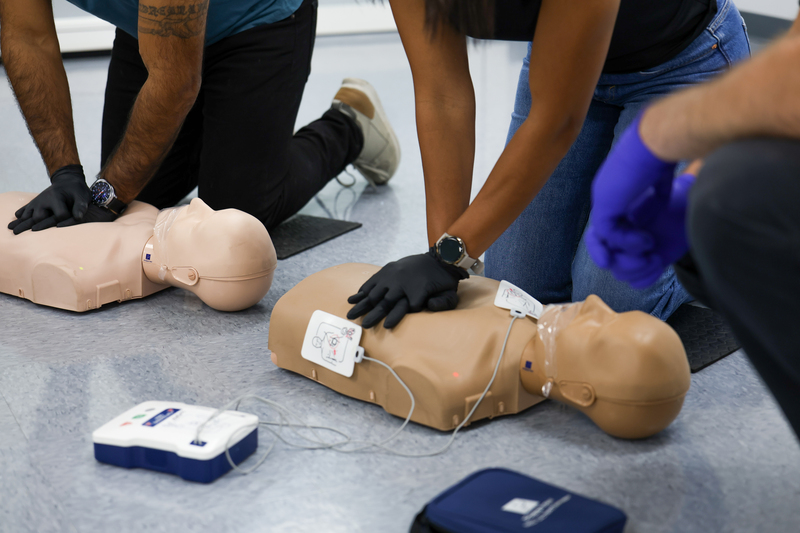
Reading about CPR and doing CPR are two very different things. That distinction sits at the core of why practical skill testing is built into first aid certification programs across Alberta. A worker can absorb a significant amount of theory instruction, pass a written exam, and still freeze or perform incorrectly when a real emergency happens, because reading about a technique and executing it under pressure are not the same thing. Skill testing closes that gap. The techniques must actually be demonstrated by the person holding the certificate, not just described. In industrial and construction environments, where hazards are real and response time matters, that distinction carries serious weight.
What Alberta’s Requirements Actually Say
Alberta’s occupational health and safety framework requires that first aid training meet CSA Standard Z1210-17, which brings consistency to certification requirements across Canada. Under this standard, a knowledge portion with testing must be completed, followed directly by a practical hands-on skill demonstration and testing portion. Both components are required. Neither can substitute for the other, and that point is worth holding onto. Training providers must be listed on the Alberta Approved Training Agencies list provided by Alberta OHS; compliance with Alberta’s occupational health and safety laws is required for the training course itself. Employers are responsible for choosing a provider from the Alberta Approved Training Agencies list.
The Curriculum Behind the Certificate
A well-structured first aid course covers more than basic bandaging. Specific modules such as Airway Management, Breathing Management, Cardiovascular Emergencies, Medical Emergencies, and Spinal and Neurological Emergencies are included in reputable programs. Basic (Emergency) First Aid covers these fundamentals in a single 8-hour day. Intermediate (Standard) First Aid goes further, with additional skills required across a 16-hour, 2-day format, or through a blended option with 5 hours of online theory instruction and a full day of in-person practical skills and testing. Classes typically run with 6 to 20 participants, which allows each person to be observed and assessed individually by trainers during the hands-on portion. That sounds straightforward on paper, but the individual assessment piece is where real competency is confirmed.
Why Construction and Industrial Sites Face Higher Stakes
In many cases, the urgency around practical skill testing becomes clearest when the environments where these workers operate are considered. Alberta’s construction and industrial worksites often involve working at height, powered mobile equipment, confined spaces, and exposure to hazardous materials. These are conditions where injuries can escalate quickly and where the window for effective first aid response is narrow. A first aider who has only read about airway management but never practiced it on a training manikin is not prepared for a real incident. The practical testing requirement exists, in part, because very little room for on-the-job learning is left by the environments demanding this training.
Blended Learning and the Limits of Online Training
Blended learning formats have made Intermediate (Standard) First Aid more accessible, particularly for workers and employers managing shift schedules. Theory instruction is handled effectively through the 5-hour online component. But the in-person day is where certification is actually earned. Hands-on skill demonstration and testing with an approved trainer cannot be replicated through a screen; that point is worth repeating clearly. Regardless of how theory instruction is delivered, all practical skills must be demonstrated in person. In many cases, that’s where it clicks for employers reviewing their training options, bit by bit, as the distinction between online convenience and in-person requirement becomes clear.
How Certification Translates Back to the Workplace
Receiving a first aid certificate is not the end of the process. After certification is issued, the training fundamentals are expected to be taken by employers and applied to their specific workplace to ensure worker competency. That might mean running site-specific drills, reviewing the location of first aid supplies, or confirming that the number of certified first aiders on each shift meets Alberta’s requirements based on hazard level, crew size, and distance to a healthcare facility. Documented training records and readily available first aid supplies are mandatory for all workplaces. The certificate confirms training happened; the employer ensures it translates into actual readiness, and those are two separate responsibilities.
Renewal, Validity, and Keeping Certifications Current
First aid certifications in Alberta are provincially recognized and remain valid for not more than 3 years. Basic Life Support CPR carries its own separate renewal requirements, which should be confirmed directly at the time of training. Workers who currently hold a valid Intermediate (Standard) First Aid certificate have access to a 1-day re-certification course rather than repeating the full 2-day program. That option makes it easier for construction and industrial employers to keep their teams current without pulling workers off site for extended periods. Staying current matters; an expired certificate offers no protection during an OHS inspection or, more importantly, during an actual emergency.
Choosing a Training Provider That Meets the Standard
Not every first aid course is built the same way. Reputable programs must be compliant with Provincial Legislation, meet the most recent CSA standards, meet Industry Best Practices, and follow the Principles of Adult Education. Training providers must be approved by employers, and the program must be able to withstand scrutiny from Occupational Health and Safety Officers. Starting with the Alberta Approved Training Agencies list is a practical first step for first aid training. From there, whether the course includes both a knowledge testing component and a hands-on practical skill testing component should be evaluated carefully, as that combination is the clearest way to confirm the training will hold up. Visit the Western Canada Fire & First Aid website to learn more about approved first aid training courses available in Alberta.
FAQ
Q: Can a worker pass a first aid course without completing the hands-on portion?
No. Theory instruction can be delivered online or in a classroom setting, but all practical skills must be demonstrated in person with an approved trainer. That requirement is non-negotiable. A certificate cannot be issued based on written testing alone, and any program suggesting otherwise is not compliant with Alberta OHS requirements. That still surprises people.
Q: What is the difference between Basic and Intermediate First Aid in Alberta?
Both courses cover similar core content, including Airway Management, Breathing Management, Cardiovascular Emergencies, Medical Emergencies, and Spinal and Neurological Emergencies. Intermediate (Standard) First Aid simply requires additional skills beyond what Basic (Emergency) First Aid covers. Basic is an 8-hour, single-day course. Intermediate runs 16 hours across two days, or can be taken in a blended format. Worth noting: individuals who already hold a valid Intermediate First Aid certificate can complete a 1-day re-certification course rather than repeating the full program.
Q: Who is responsible for making sure first aid training actually meets Alberta’s requirements?
Employers carry that responsibility. After certification is issued, the training fundamentals are expected to be taken by employers and applied to their specific workplace to ensure worker competency. Reputable courses must be compliant with Provincial Legislation, meet the most recent CSA standards, meet Industry Best Practices, and follow the Principles of Adult Education. Choosing a provider from the Alberta Approved Training Agencies list is the starting point.
Q: How many certified first aiders does an Alberta worksite actually need?
It depends. The required number is determined by the degree of hazard at the site (low, medium, or high), how many workers are on shift at any given time, and how far the site is from a healthcare facility. Higher-hazard environments with larger crews and remote locations will generally require more first aiders on site. Documented training records and readily available first aid supplies are mandatory for all workplaces, not just construction projects.



0 Comments