Forklift Training for New Operators in Alberta
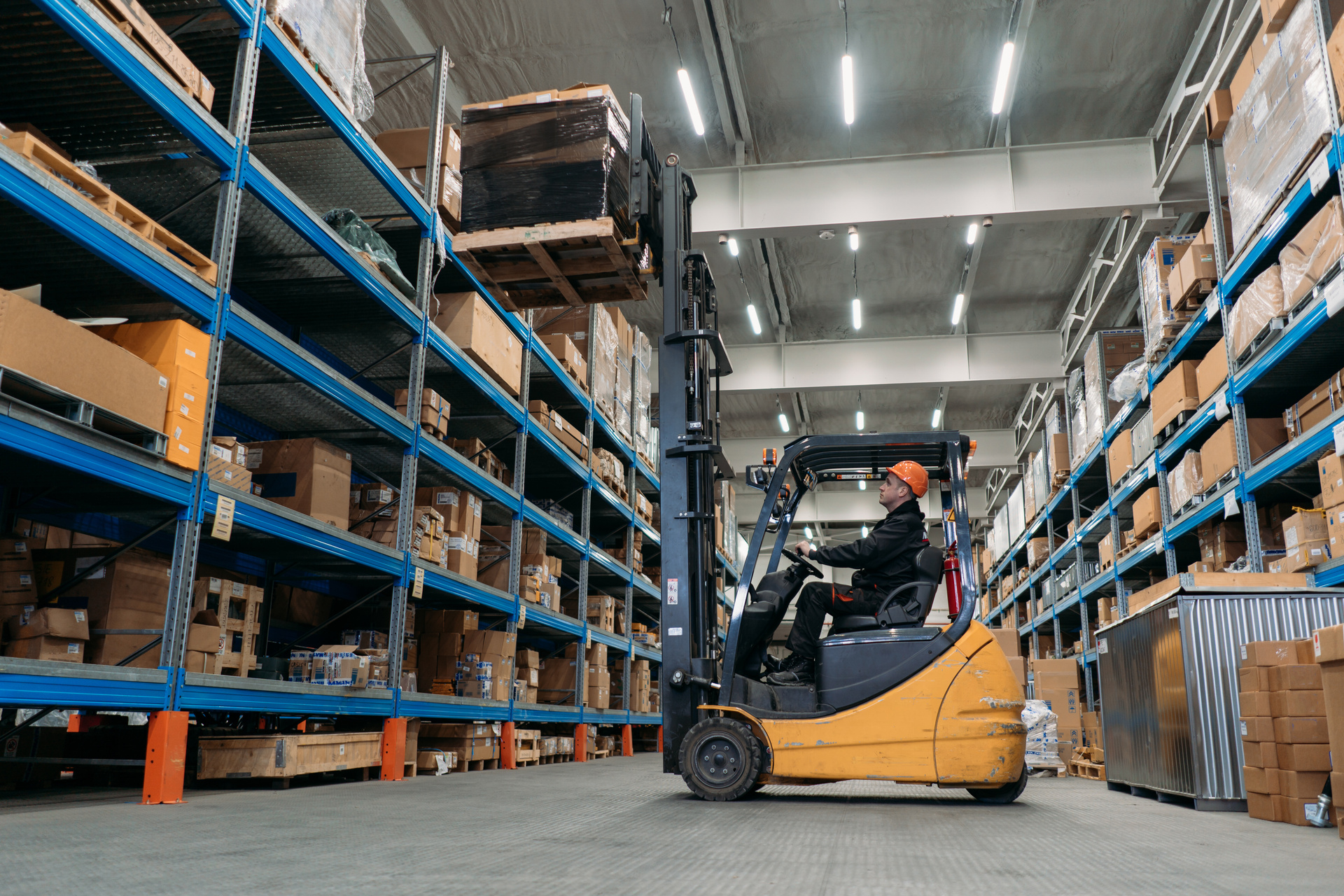
Why Certified Forklift Training Matters in Alberta
Forklifts are among the most commonly used pieces of powered mobile equipment on Alberta job sites, and they’re also among the most frequently involved in serious workplace injuries. That’s not a coincidence. Workers, coworkers, and employers are all put at real risk when a forklift is operated without proper certified training. Under Alberta’s occupational health and safety laws, certified training is required, not a suggestion. Employers who allow uncertified operators to work with this equipment face significant liability, particularly if those operators are involved in a workplace accident. For any new operator, the starting point is a structured, compliant training program, and that part isn’t negotiable.
What a Compliant Forklift Training Program Looks Like
Not all forklift training programs are equal. Reputable courses must be compliant with Provincial Legislation, follow the most recent CSA standards, meet Industry Best Practices, and meet the Principles of Adult Education. In practical terms, a knowledge portion with testing must be included, followed directly by a practical hands-on skill demonstration and testing portion. Theory instruction alone doesn’t satisfy the requirement. Training providers must be accepted by employers, and the program should be confirmed to withstand scrutiny from Occupational Health and Safety Officers. Compliance with Alberta’s occupational health and safety laws is required for the training course itself, and that standard applies regardless of provider or format.
How Long Does It Take a New Operator to Learn the Basics?
For a new operator, the basics can generally be covered in 6 to 8 hours, though that range isn’t a guarantee. Timing ultimately depends on the operator’s skill level. Someone with experience on similar equipment, such as powered pallet jacks or other industrial machinery, may move through theory instruction more quickly; someone starting from scratch may need the full day, and that’s completely normal. The goal isn’t speed. It’s building a foundation that actually holds up on a real job site, where conditions are less predictable than a training yard. Over time, I suppose, that foundation is what separates a capable operator from a liability.
What Happens During the Hands-On Practical Session
The practical portion of forklift training is where most of the real learning tends to happen. Supervised operation isn’t enough on its own; testing is also required during this phase. New operators are assessed on basic operation, maneuvering, load handling, and stacking, and these skills are practiced and evaluated in a controlled setting before independent work is considered appropriate. Equipment like narrow-aisle reach trucks and powered pallet jacks may be included, depending on what the operator will use on the job. That’s usually where it clicks for most people, when the controls stop feeling unfamiliar, and the movements start to feel more natural. Interesting how that works.
Theory Instruction: What New Operators Need to Know First
Before getting behind the controls, new operators are guided through theory instruction that covers the fundamentals of safe forklift operation. Load capacity, stability principles, workplace hazard awareness, and the specific risks tied to powered mobile equipment in industrial environments are all addressed during this phase. A knowledge test is part of it. The theory component can be completed in a traditional format or, depending on the provider, through a blended approach, though all hands-on practical skills must still be demonstrated in person with an experienced trainer. Theory instruction alone is not sufficient for certified training.
Equipment Types Covered in Forklift Training
Alberta workplaces rely on a range of powered mobile equipment, and training programs are generally designed to reflect that. Counterbalance forklifts are the most common starting point, but narrow-aisle reach trucks and powered pallet jacks are also used across many industrial environments. Each piece of equipment carries its own handling characteristics, load limits, and operational risks. Operators are expected to be trained on the specific equipment they’ll actually use on the job. Training providers must be accepted by employers, who should also confirm the program covers the right equipment types for their site. A program that only addresses one machine type may not be sufficient for every workplace.
What Forklift Training Costs in Alberta
Certified forklift training in Alberta is generally priced between $175 and $425. The price varies depending on a forklift operator’s skill level, as more experienced operators may require less time to demonstrate competency, which can affect both program length and overall cost. From what we’ve seen, employers who invest in proper certified training up front tend to avoid far more expensive problems later, including incident-related downtime, regulatory penalties, and liability exposure. Workplace safety training is not an area where cutting costs tends to pay off. The investment is relatively modest compared to what’s at stake when operators aren’t properly prepared. Probably enough said on that.
Getting Started with Forklift Training Through Western Canada Fire and First Aid
For businesses in Alberta’s construction and industrial sectors, finding a qualified training provider is a practical first step. Training providers must be accepted by employers, and the program must be confirmed to meet Alberta OHS requirements. After certified training is issued, the training fundamentals are expected to be applied by employers to their specific workplace, to confirm that workers are genuinely competent, not just certified on paper. Operators who are involved in a forklift incident, or who have been away from the equipment for an extended period, should complete full retraining rather than a brief review. Visit our website to learn more about forklift training and workplace safety training options available through Western Canada Fire and First Aid.
FAQ
Q: Does forklift training in Alberta cover different types of equipment? Yes. Various equipment types are addressed in a well-structured program, including counterbalance forklifts, narrow-aisle reach trucks, and powered pallet jacks. Each machine handles differently, and operators are expected to be trained on the specific equipment they’ll use on the job. Training providers must be approved by employers to ensure the right equipment types are covered.
Q: Is an Alberta driver’s license required to operate a forklift? No, an Alberta driver’s license is not a legal requirement for forklift operation. That said, holding one can be genuinely helpful. Workers who already understand basic vehicle controls, such as pedals, steering wheels, and seat belts, tend to adapt to forklift operation a bit more naturally during training.
Q: Who is responsible for making sure forklift training meets Alberta’s standards? Training providers and the program must meet OHS and industry standards that would hold up to scrutiny from Occupational Health and Safety. Compliance with Alberta’s occupational health and safety laws is required for the training course. After certified training is completed, the training fundamentals are expected to be applied by employers to their specific workplace to confirm worker competency.
Q: When does a forklift operator need to be fully retrained? Full retraining is generally required every 3 years, or when an operator has been away from forklift work for an extended period or has been involved in a forklift incident. A program, covering both knowledge with testing and hands-on practical skill demonstration and testing, would need to be repeated.
0 Comments